Main Tasks in Managing Multinational Projects

Project managers are tasked with the responsibility of planning, organising, and executing projects within a given set of constraints. However, they often encounter various challenges that can impede the successful delivery of projects. Multinational projects have become increasingly common. With organisations expanding their operations across borders, project managers are faced with unique challenges in managing projects that involve teams, stakeholders, and resources from different countries. Successfully navigating these challenges requires a deep understanding of cultural, logistical, legal and communication complexities.

Stakeholder Management: Multinational projects involve multiple stakeholders with diverse interests and expectations. One of the primary challenges in project management is effectively managing stakeholders. Projects involve multiple individuals, groups, and organisations with diverse interests, expectations, and communication styles. Project managers must navigate the complexities of managing stakeholders spread across various geographical locations and cultural backgrounds. They must identify and engage with stakeholders proactively, ensure clear communication channels, and manage conflicting interests. Building strong relationships, fostering effective communication, and understanding stakeholder priorities are critical for successful stakeholder management. Regular updates, proactive engagement, and addressing concerns on time can help gain stakeholder participation and support.

Scope Creep: Scope creep refers to the uncontrolled expansion of project scope and activities beyond its original boundaries. It can result from changing requirements, lack of clarity, or insufficient stakeholder involvement. Project managers must carefully define the project scope, should establish change control processes, and engage stakeholders in scope discussions. It may help if the project manual clearly defines the project and the WBS (work breakdown structure) as well as roles and responsibilities. Regularly reviewing and validating project requirements with all stakeholders can reduce the risk of scope creep.

Communication and Collaboration: Effective communication and collaboration are vital for project success but are also frequent challenges in project management. However, language barriers, time zone differences, and varying communication preferences can hinder clear and efficient communication when working with multinational teams. Poor communication will lead to misunderstandings, delays, and decreased productivity. Project managers must establish clear communication channels, foster a collaborative work environment, and facilitate effective information sharing among team members. Utilising project management tools, conducting regular team meetings, and promoting transparency should enhance communication and collaboration.

Cultural Diversity: One of the most significant challenges in multinational project management is dealing with diverse cultures. Different countries even in Europe have distinct work practices, communication styles, decision-making processes, and business etiquette. Project managers must be sensitive to these cultural differences to foster collaboration and maintain a harmonious work environment. It is crucial to invest time in understanding the cultural nuances of each team member’s background and adapt management approaches accordingly.

Logistics: Managing multinational projects often involves coordinating activities across different locations, time zones, and regulatory frameworks. The logistical complexity can make synchronising project timelines, allocating resources, and ensuring consistent project deliverables challenging. Robust project planning and tracking mechanisms that account for these complexities must be established. Utilising project management software, creating detailed project schedules, and establishing clear reporting channels can streamline activities and enhance visibility across the project.

Resource Allocation: Managing project resources efficiently is a crucial aspect of successful project delivery. Project managers must contend with limited budgets, time constraints, and the availability of skilled personnel. Balancing resource allocation across different tasks and team members requires careful planning, coordination and execution. By conducting a thorough resource analysis, developing realistic project schedules and budgets, and fostering a culture of collaboration, project managers can optimise resource allocation.

Risk Management: Every project entails risks that can potentially impact its success. Identifying, assessing, and mitigating risks are critical responsibilities of project managers. However, challenges arise when risks are unidentified or underestimated, leading to project delays, budget overruns, or even failure. Project managers should establish a robust risk management framework, including risk identification techniques, risk assessment tools, and contingency plans. Regular risk monitoring and proactive communication with stakeholders can minimise the impact of risks.

Change Management: Projects often introduce changes within organisations, affecting processes, roles, and Resistance to change can impede project progress and negatively impact stakeholder engagement. Project managers need to anticipate and address resistance through change management strategies. This includes communicating the benefits of the change, providing support, and involving stakeholders in the change process.

Legal and Regulatory Compliance: Complying with legal and regulatory requirements is paramount when managing multinational projects. Each country has its own set of laws, regulations, and standards that project managers must navigate. Familiarity with local regulations, engaging legal counsel when necessary, and conducting thorough risk assessments can mitigate legal and compliance risks. Project managers have to ensure that all project activities align with relevant regulations and establish clear governance frameworks to ensure compliance throughout the project lifecycle.

Conclusion: Managing multinational projects is undoubtedly a complex endeavour, demanding a diverse set of skills, experience and a keen understanding of cultural, logistical, and communication challenges. By proactively addressing stakeholder management, scope creep, communication and collaboration, cultural diversity, resource allocation, risk management, and implementing effective communication strategies and change management, project managers can enhance their ability to deliver successful projects. Adapting to these challenges with effective management strategies and continuous learning is essential to thrive in their roles and achieve project objectives. Embracing these challenges as opportunities for learning should lead to enhanced project outcomes and foster stronger international collaborations.


My insights as a Project Manager, working in multinational EU Civil Protection Projects

EU HNS Lessons Learned Meeting in Warsaw

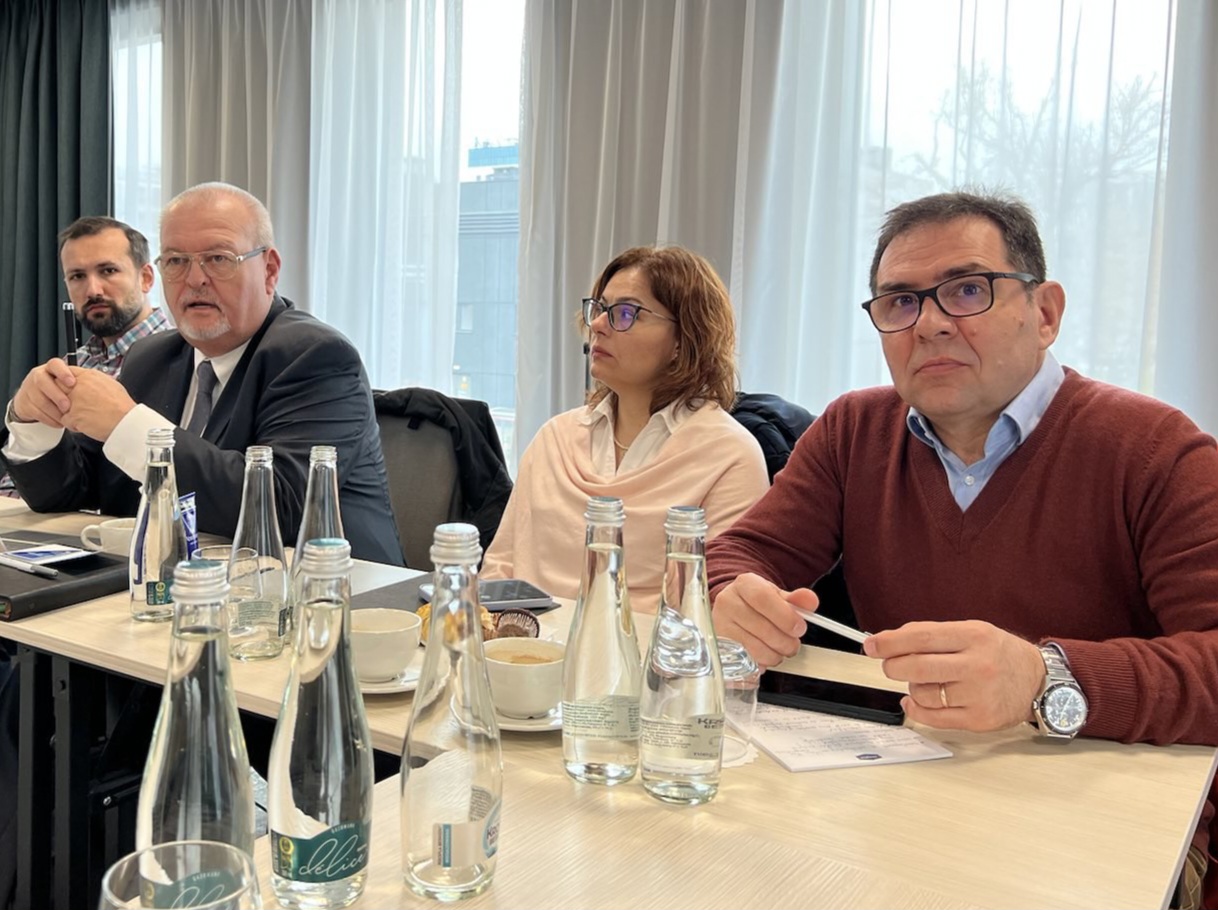
Warsaw, 30th of March: A successful Lessons Learned meeting of our two Host Nation Support exercises was conducted in beautiful Warsaw, Poland. We could analyse the two exercises together with Marcin Kędra, our DG ECHO project officer, Bogdan Pop, Cristian Boeriu, Turucz Emilia and Sedei Artur Vladimir and our friends from iHELP institute.
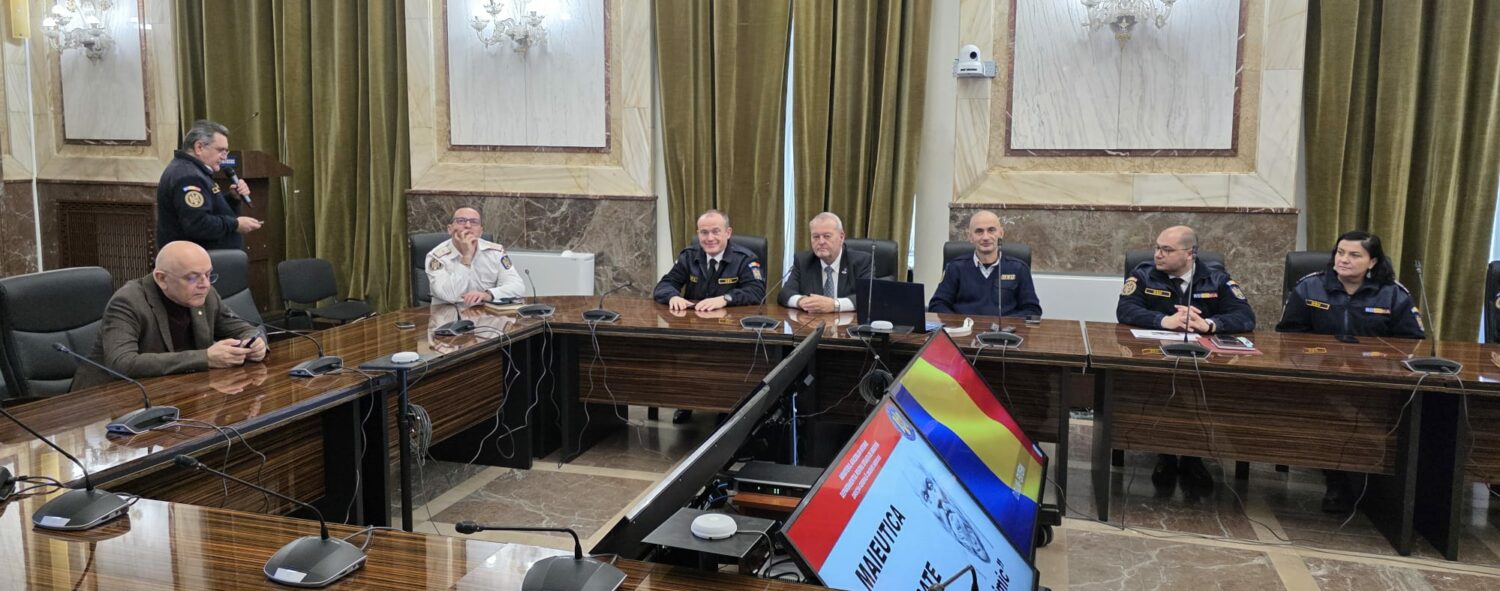
On most topics there was a common understanding, the environment was not easy, starting with Covid-19, inflation and the ongoing war in Ukraine, neighbouring the Republic of Moldova. One of the conclusions was, that the host countries could learn a lot and were able to improve and adapt their national structures to the EU HNS guideline and the UCPM generally. Due to the efforts of all partners: DSU, Department for Emergency Situations, Ministry of Internal Affairs, Romania, iHELP institute, PubliComm GmbH and the University of Medicine, Pharmacy, Science and Technology of Târgu Mureş, we could solve all challenges of this project. We got great assistance from the host countries, the General Inspectorate for Emergency Situations, Ministry of Internal Affairs, Republic of Moldova, and the Public Security Directorate, Civil Defence Directorate, the Hashemite Kingdom of Jordan.

Second EU HNS TTX successful conducted

The EU HNS Tabletop Exercise from 22-24 February in Răzeni, Moldova, was successfully conducted, I had the honour, to be the project manager. publiComm GmbH is one of the partners in the EU HNS consortium and was mainly responsible for the following tasks: the organisational part of the TTX, the exercise logistics, the event management, and public relations,
This included in detail booking flights, booking accommodation, maintaining the list of participants, updating certificates, media coverage, project documentation, VIP and observer management, and also contact with the hotel management.
Other tasks like the media presence before, during and after the TTX were and are still a big part of the media coverage, printing and preparing the booklets, and certificates to the participants, which were also professionally prepared mostly by our staff.
The publiComm team consists of me, Harald Mailer-Fellner, Michael Kollroser, Mag. Eva Kröpfl, Daniel Bointner Photography (www.danielbointner.at), Dr. Brigitta Sáfár, Dr. Timar Tamás, and our back office in Austria, Jimmy Zimmermann, Andre, and Barbara Debre did again an excellent job.
Our partner DIE KRISENPLANER (http://www.diekrisenplaner.at) updated the software for the e-learning platform and supported us during the TTX.
Special thanks go to the Department for Emergency Situations at the Romanian Ministry of Internal Affairs, and Dr. Bogdan Pop for the excellent cooperation and friendship over many years.
#EUHNS
#exercisemanagement
#projectmanagement

Our Jordan EU HNS TTX movie is out!

The first EU HNS TTX of our EU-funded project was conducted two weeks ago in Amman, Jordan. We are happy to present you the summary of the EU HNS tabletop exercise conducted in Amman, Jordan. Here is the video from the exercise:
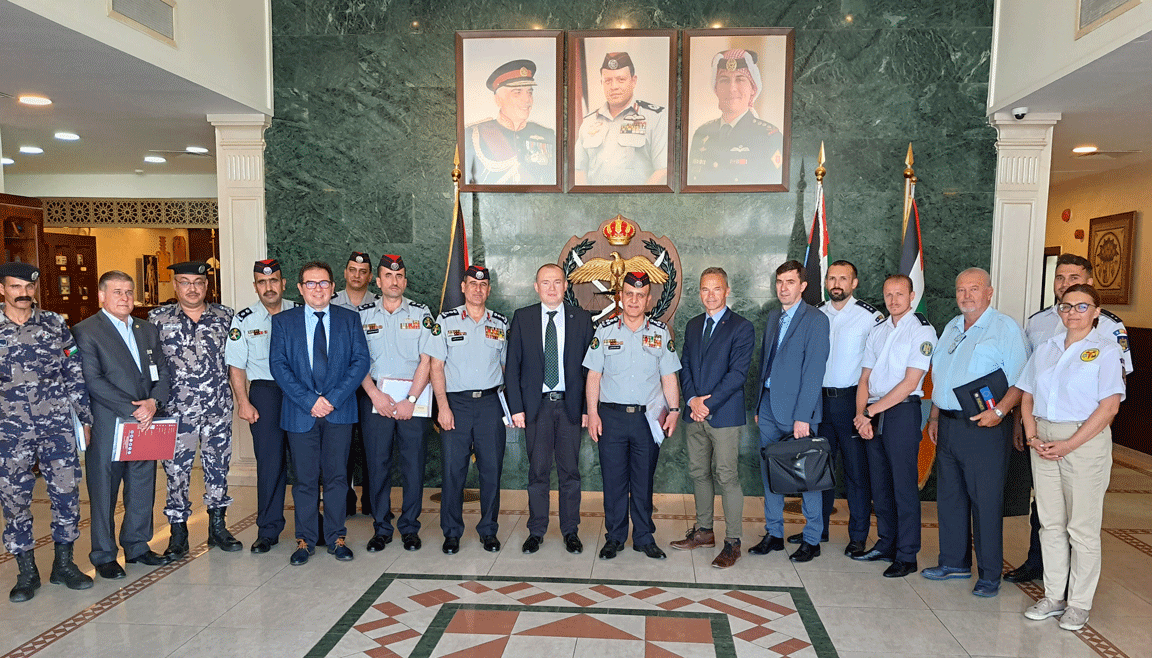
The consortium is led by the Department for Emergency Situations, Ministry of Internal Affairs, Romania, partners are: publiComm, media and consultancy, Austria, iHELP Institute, Poland and the project evaluator, the University of Medicine, Pharmacy, Science and Technology of Târgu Mureş. The exercise was successfully implemented with the support of the Public Security Directorate, Civil Defense Directorate, the Hashemite Kingdom of Jordan.

EU HNS TTX Jordan successfully conducted

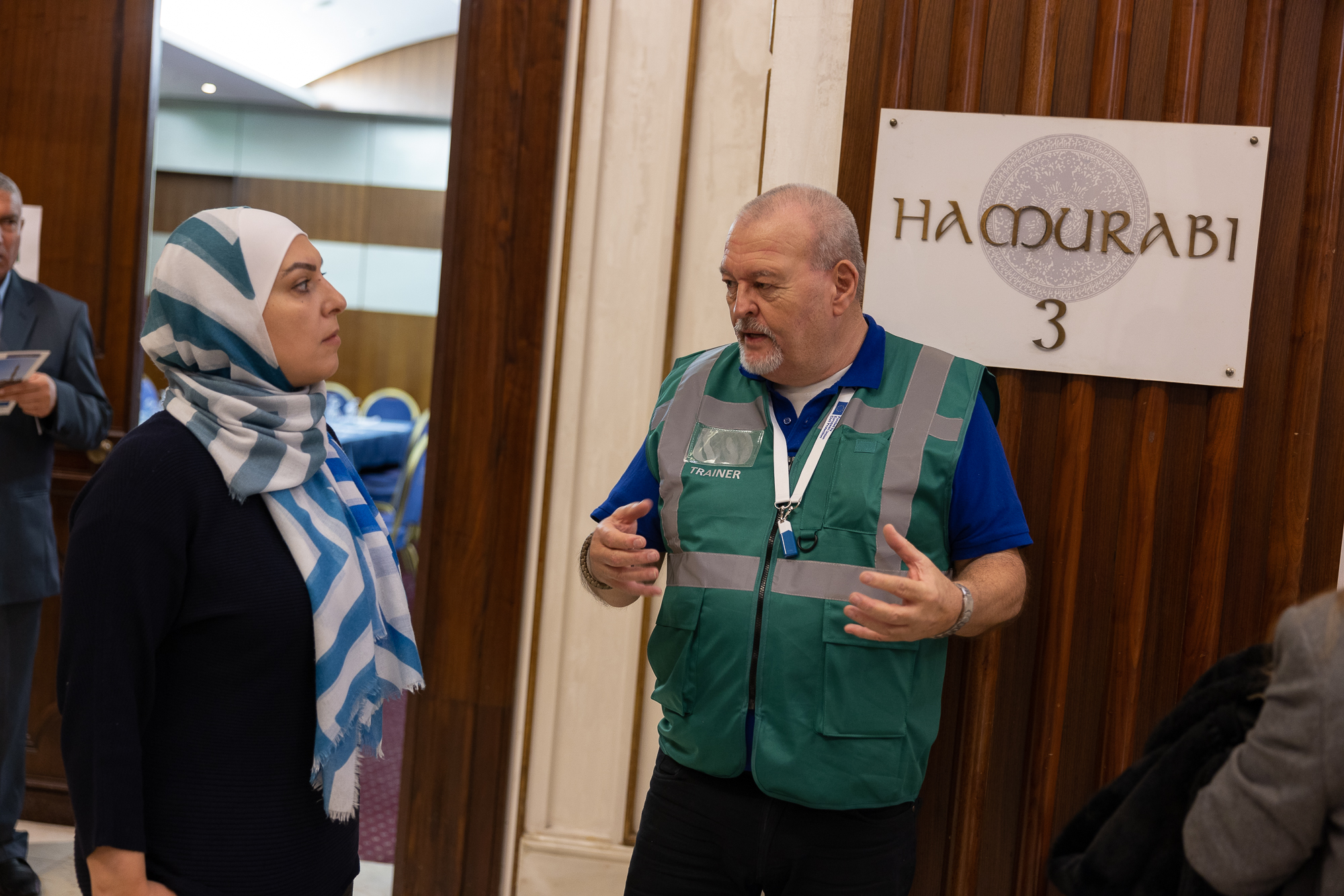
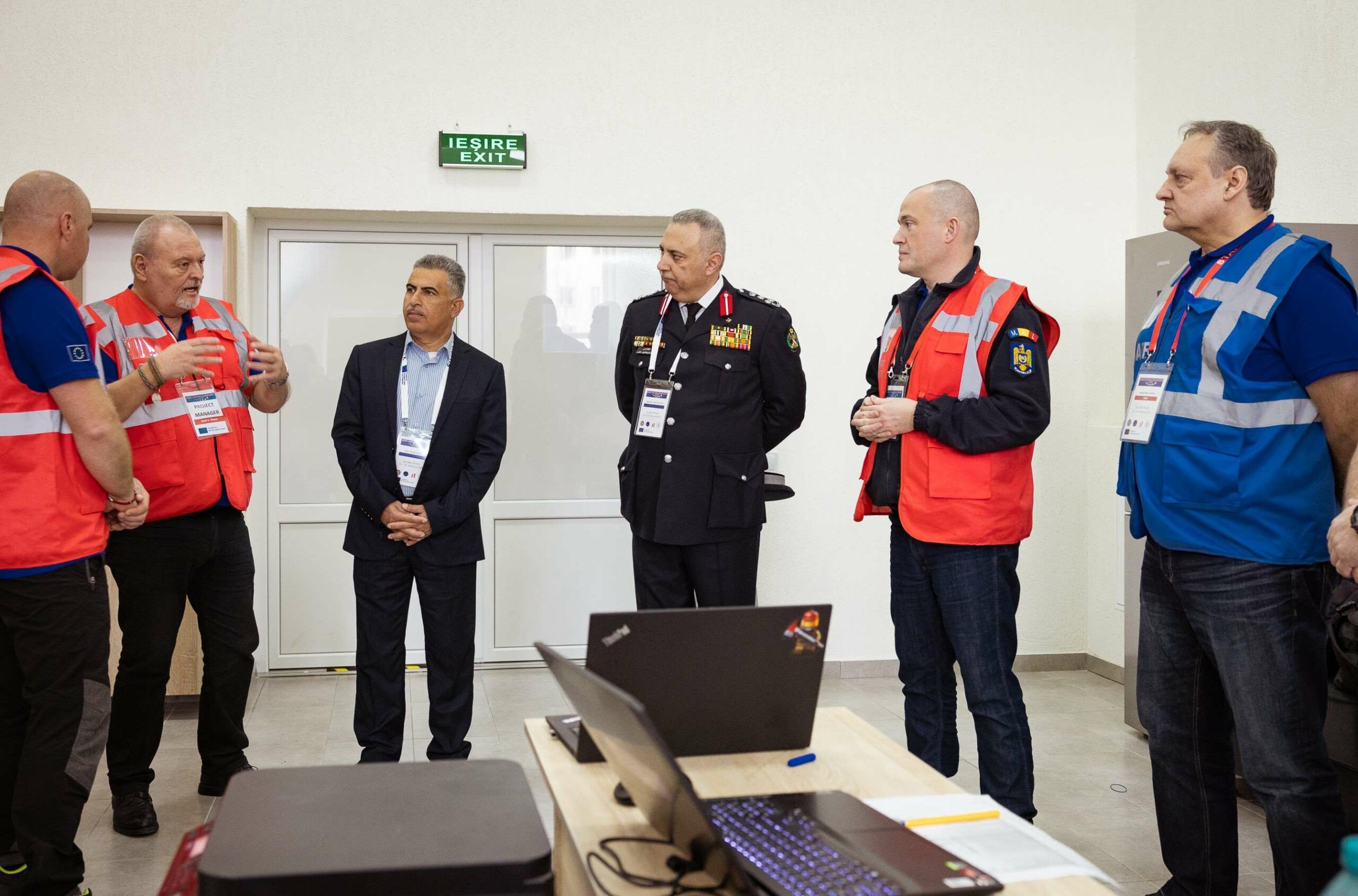
EU HNS TTX Jordan: A brief review of a busy project. More than 60 civil protection experts from 12 countries contributed their experience to the November 20-23 Host Nation Support staff exercise (tabletop), conducted in cooperation with the Public Security and Civil Defense Directorate of the Hashemite Kingdom of Jordan.
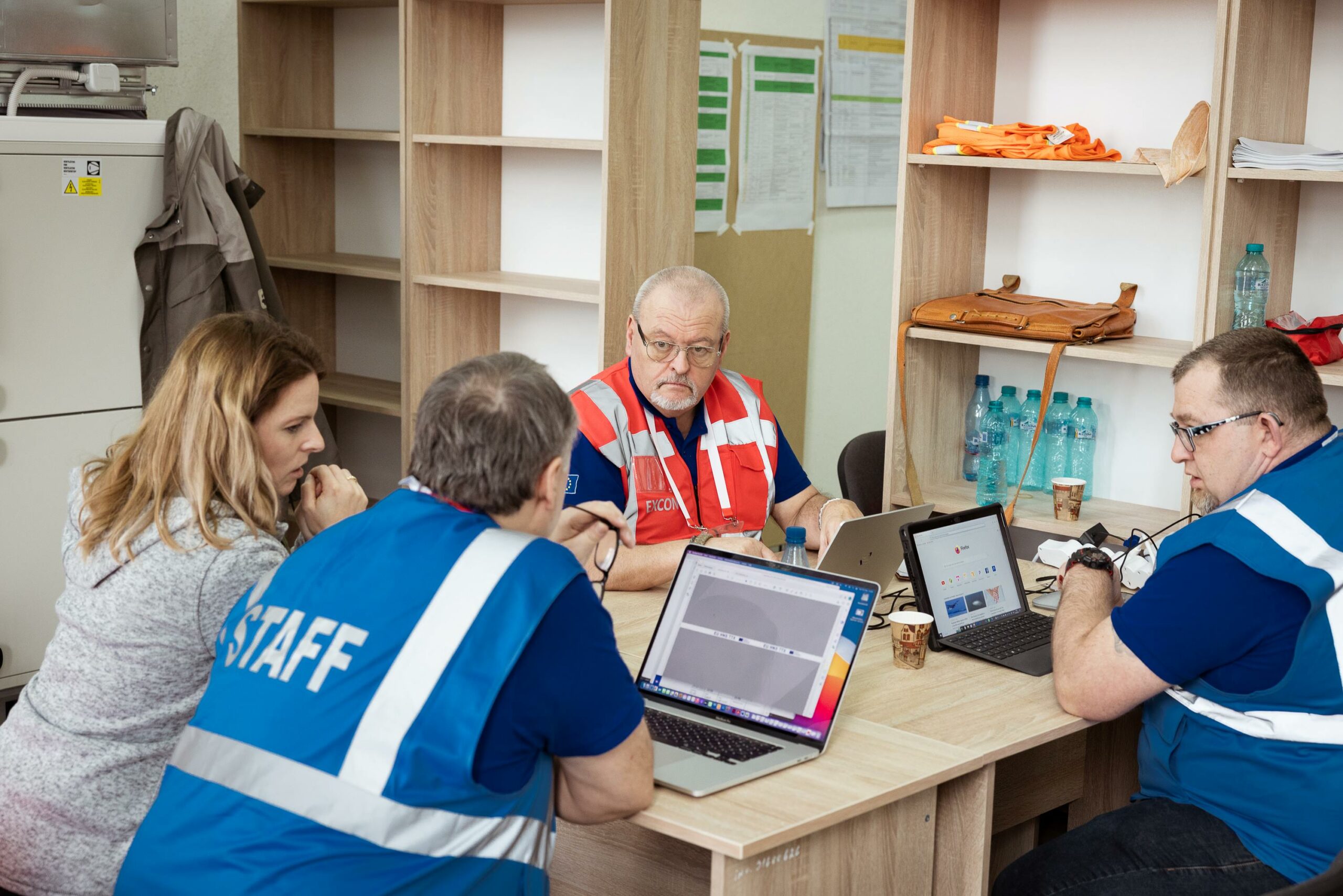
The exercise lasted two and a half days, including the activation and handover phases plus a preparation day for the Jordanian participants. This exercise simulates all elements of the operational process for providing support to host international forces, from RfA (Request for Assistance) to redeployment and handover procedures. A MEL (Main Event List) and MIL (Main Inject List) were recreated, the virtual reality simulations were developed, and the final exercise setup was completed. Together with the Jordanian Civil Defense (CDD) officers and the European Union Civil Protection experts (EUCPT and UCPM modules), the EU-HNS consortium staff will simulate a natural disaster with international participation.
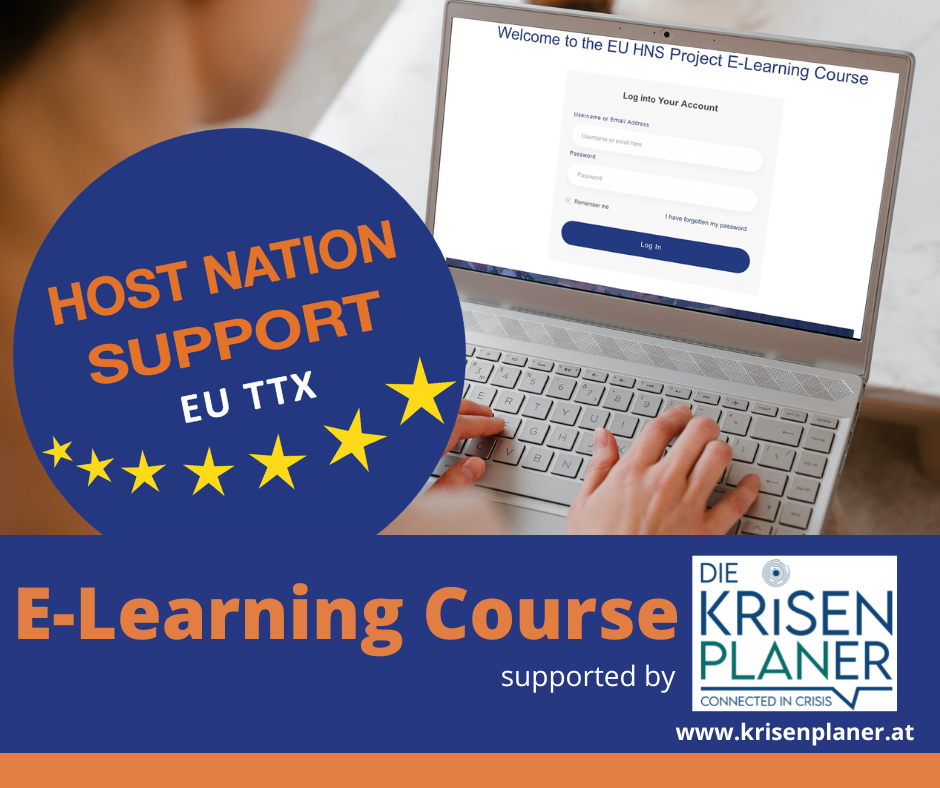
Prior to the exercise, the newly created EU HNS Online e-learning platform went online. After registering, participants were able to take the course on their own schedule until November 17. This online course is used to prepare for the tabletop exercise. The technical part, the learning platform of the online course was developed in close cooperation with DIE KRISENPLANER (The Crisis Planners – Connected in Crisis).
The publiComm team consisting of Josef H. Riener, MSc, Harald Mailer-Fellner, Michael Kollroser, Eva Kröpfl, Daniel Bointner Photography (www.danielbointner.at), Dr. Brigitta Sáfár, Dr. Timar Tamás, and our back office in Austria, Magdi Schlichtinger, Jimmy Zimmermann, Andre, and Barbara Debre did an excellent job. This included booking flights, booking accommodation, maintaining the list of participants, updating certificates, media coverage and part of the project documentation, VIP and observer management and ends with the contact to the hotel management.

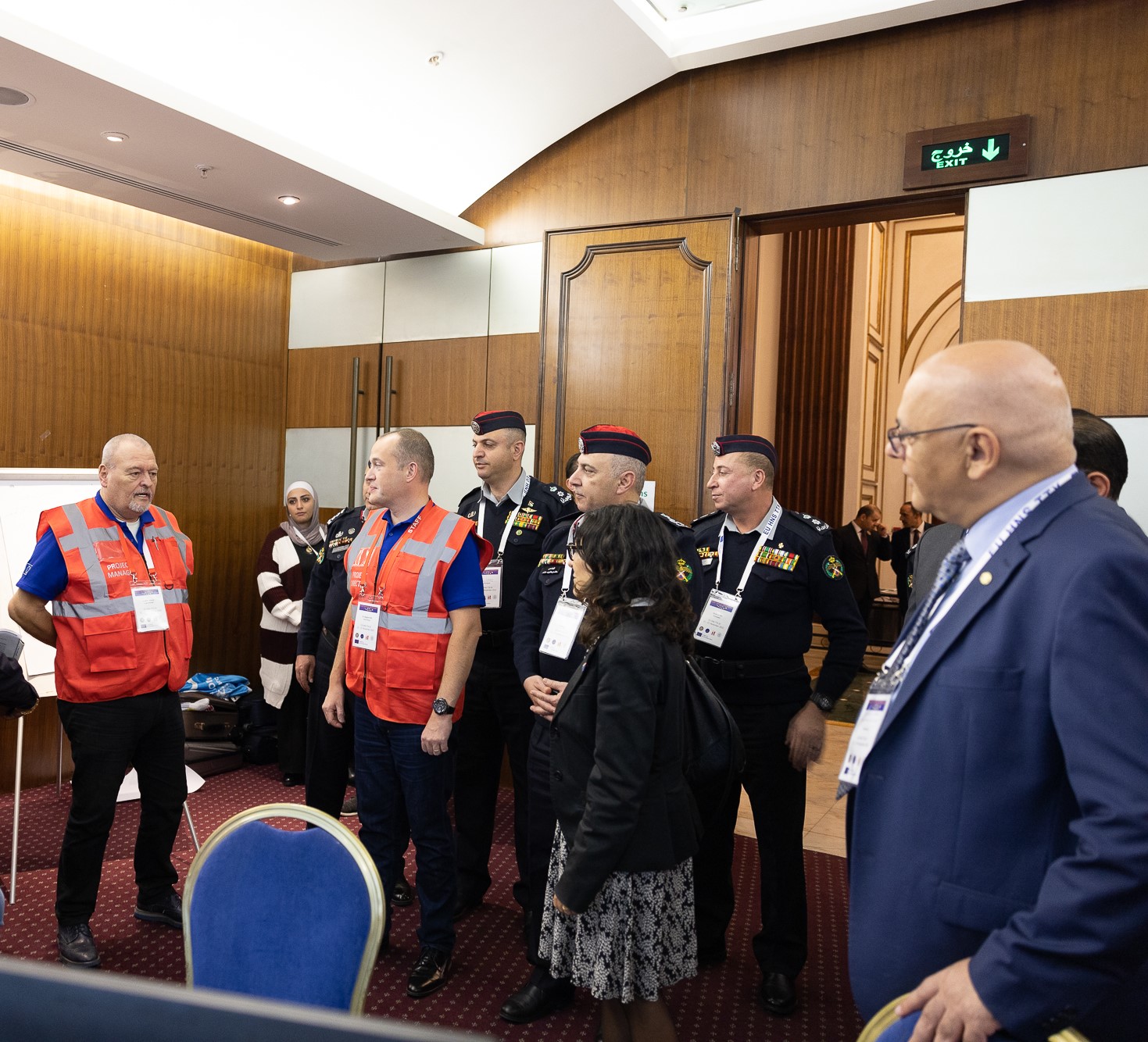
“A very successful exercise, we could offer the participants a new and challenging learning experience. All relevant stakeholders on an emergency were present and we also had a visit from the acting head of the EU Delegation in Jordan. “Thanks to our dedicated exercise staff, highly motivated participants, and the massive contribution of the Jordan Civil Defense Directorate we could conduct a challenging exercise here in Amman successfully,” said Project Manager, Josef H. Riener.

Development of the EU HNS E-Learning Course

The emergencies of last years triggered many developments and updates in the European Civil Protection Mechanism. The EU HNS tabletop exercises will offer the participants an online course to be prepared for participation in the exercises in November in the Hashemite Kingdom of Jordan and in February in the Republic of Moldova. Currently, we are working on the content for the three-day E-Learning course. The two TTX will provide the platform for testing Host Nation Support (HNS) and the chain of command and control of HNS and for testing the interoperability with national and international actors. Tabletop exercises like this EU HNS TTX are very focused on interoperability, coordination and cooperation between many different actors and give the possibility to learn the dynamic of giving and receiving support in a major international emergency.
The Consortium is developing a modern and up-to-date E-learning course, in close cooperation with “Die Krisenplaner”. The newly developed content will update the participants on the EUCPM, Host Nation Support and international coordination structures.
#EUHNS
#EUCivPro
#CivProKnowNet
#StrongerTogehter

EU HNS: stakeholder meeting in Amman

Amman: From July 3rd to 5th, we had the next important step in our project, the stakeholder meeting with the Public Security Directorate, Civil Defence Directorate of the Hashemite Kingdom of Jordan. Experts from the Romanian Department for Emergency Situations (Ministry of Interior), iHELP Institute, publiComm GmbH and the University of Târgu Mureș.

With us was the project officer from the European Union, Civil Protection, Geir Ellingsen. The project, a tabletop exercise on HNS (Host Nation Support), was presented and the framework was discussed. This international exercise will be conducted in Amman in November this year.
#euhns
#EUCivPro
#CivProKnowNet

EU HNS consortium meeting in Bucharest

Bucharest: From 1. May till 2. May we had a very successful consortium meeting at the Department of Emergency Situations of Ministerul Afacerilor Interne România. This internal kick-off meeting was very important for the project management, we discussed the internal communication, timeline of the project, milestones, deliverables and roles and responsibilities within the project. Thank you, Bogdan PopEmilia TuruczArtur Vladimir Sedei, and all partners for your high motivation and important contributions!
The next task will be to draft the project handbook…

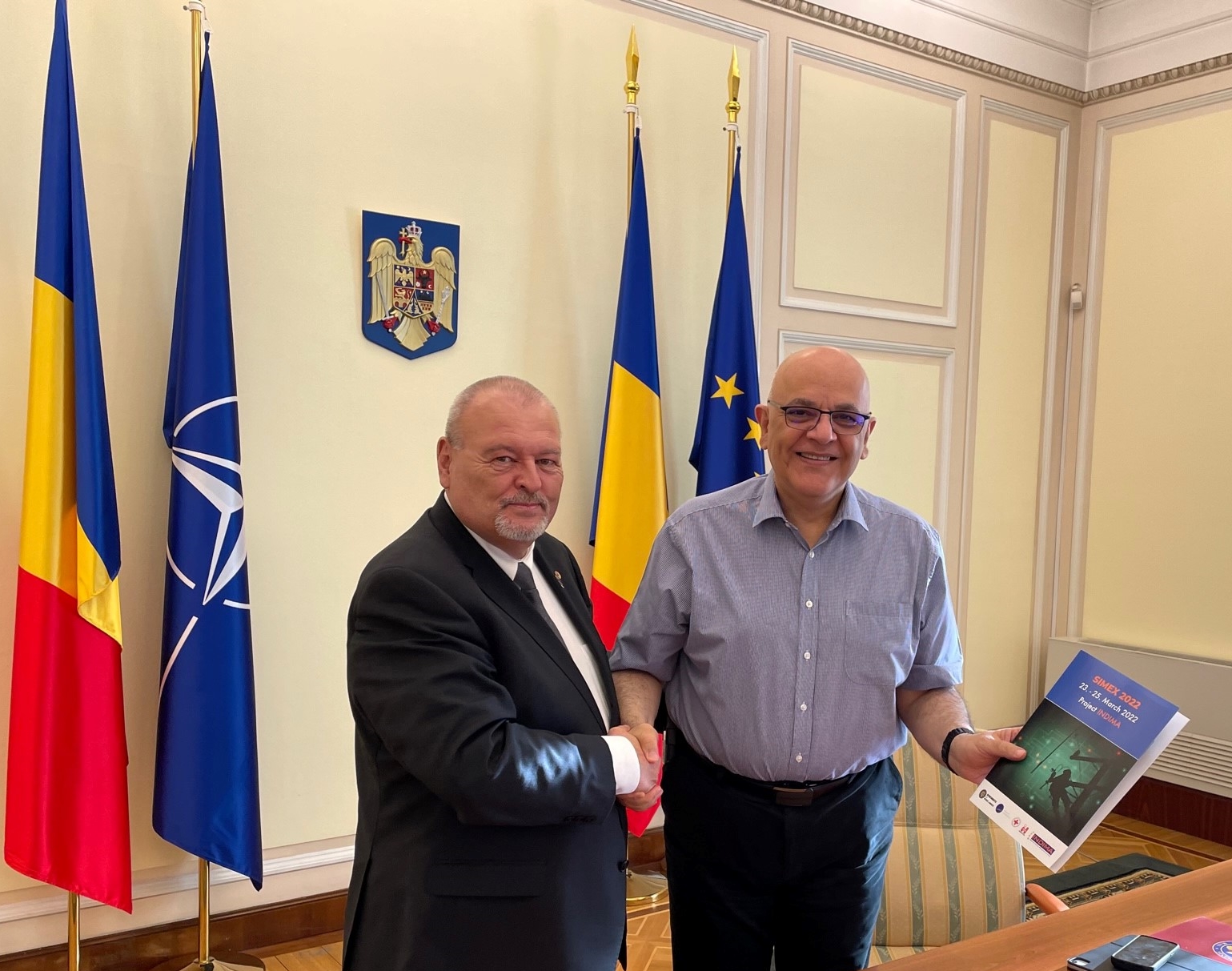
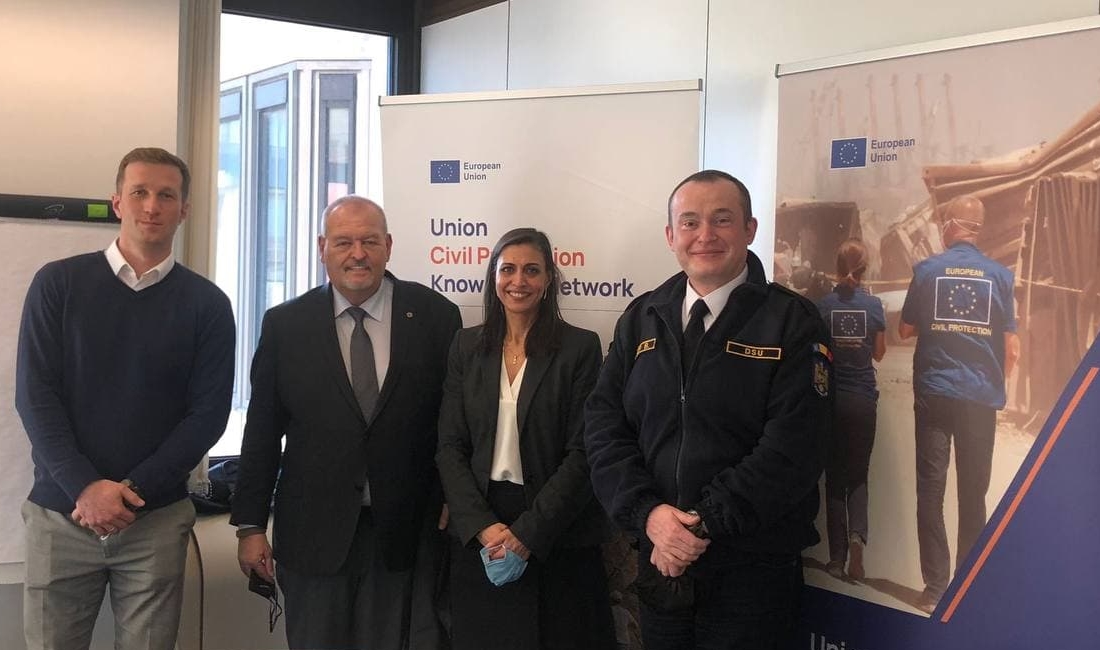
Photo: Josef H. Riener, MSc, left, Project Manager of EU HNS, with the head of Department of Emergency Situations, Romania, Secretary of State, Dr Raed Arafat.

SIMEX successfully completed

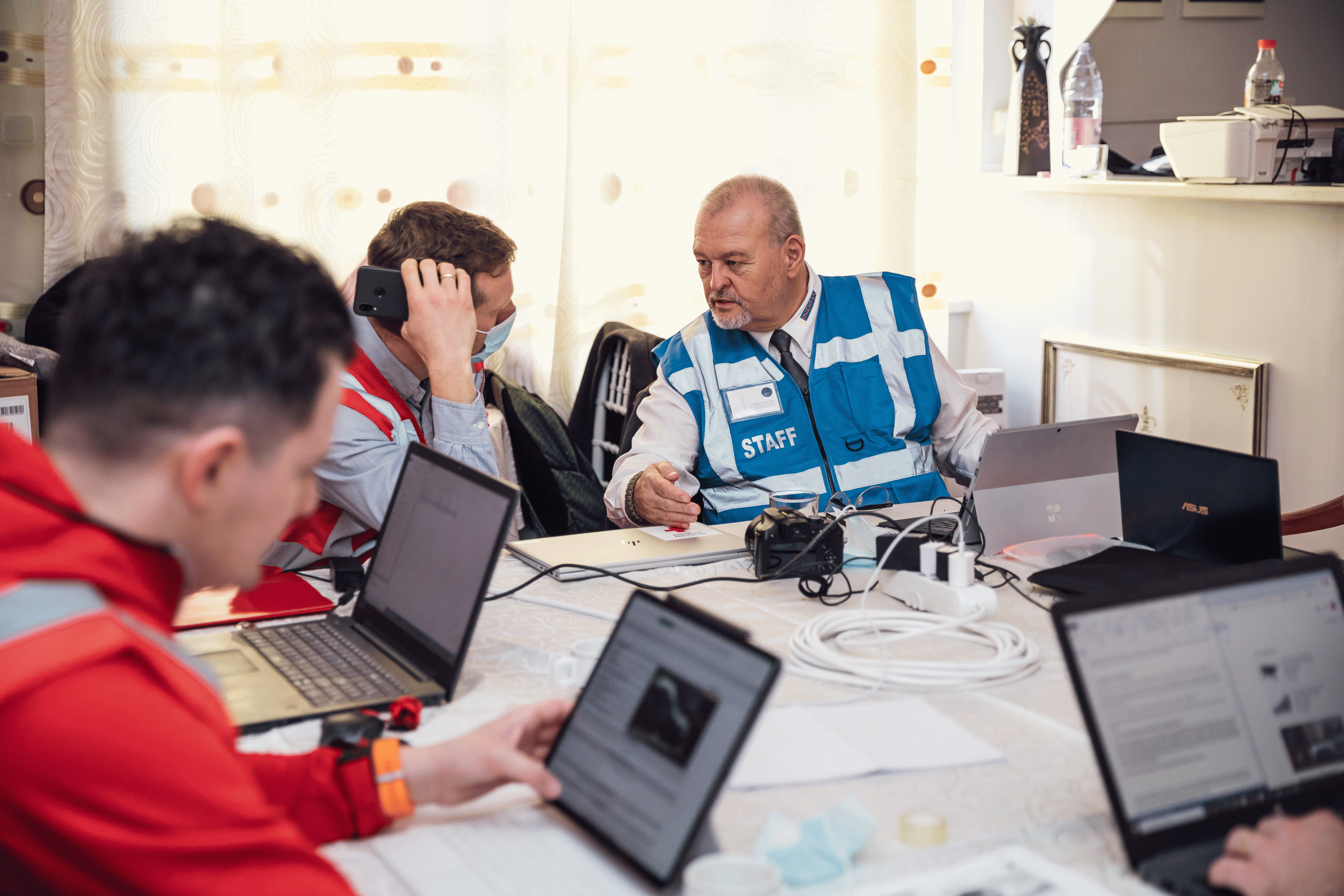
SIMEX, the simulation exercise of INDIMA project, had the aim to prepare the participants for new rchallenges in disaster management and to integrate all relevant stakeholders. In addition to the organisations of Civil Protection, these include representatives of “critical infrastructure” and private companies such as bus companies, construction companies, and telecom- and logistics providers. The use of state-of-the-art simulation techniques such as XVR Virtual Reality for the presentation of situations and feeds made the exercise very realistic, up-to-date and at the same time cost-effective.

INDIMA project, funded by the European Union, General Directorate for Humanitarian Aid and Civil Protection and was conducted in close cooperation with the Romanian Ministry of the Interior, (DSU – Department for Emergency Situations, Romania), the Hungarian Red Cross, iHELP Institute from Poland and publiComm GmbH, Austria in Timișoara, Romania on March 23-25. Austrian Red Cross, GQ, was involved in this project with several experts. The SIMEX had 78 participants, 37 of whom were involved in conducting the exercise and 39 as participants. The project will continue with a workshop in May 2022.

During the exercise, I had the honour to manage the exercise with Dr Bogdan Pop as project director and an excellent and very experienced team from Poland, Romania and Hungary. The result has exceeded our expectations, especially the possible applications of virtual and augmented reality simulations in the operational and strategic area of ​​disaster management in the near future.

New project: Host Nation Support exercises

With our partner company publicomm GmbH, we again took part in a tenderof the EU General Directorate for European Civil Protection and Humanitarian Aid, our consortium won the contract for two Host Nation Support (HNS) exercises. The contract comprises the design, planning, implementation and evaluation of two EU national support exercises for actors involved in the Union Civil Protection Mechanism. These exercises consist of an online preparation course and a tabletop exercise.

Two TTX are carried out in different countries, one outside the EU and one outside Europe, with different emergency management structures, with national, international and cross-border participation The concept is to introduce HNS as a “Train of Trainers” with prior online-training on UCPM and HNS to practice-oriented experts. Concept and curriculum are developed in cooperation with the consortium advisory board. A newly developed “HNS Toolkit” (paperback, training material, HNS manual with checklists) and the online training course will also be created.